For small and mid-sized importers and exporters, the gap between a confirmed booking and a delivered container is where supply chains often break down. The question of which freight forwarder can actually be trusted to see cargo through customs, transfers, and final-mile delivery is more than operational—it is financial. That is the problem Senghor Logistics (Shenzhen Senghor Sea & Air Logistics Co., Ltd.) is positioning itself to solve, using its membership in the World Cargo Alliance (WCA) as the cornerstone of its pitch to global trade participants.
SHENZHEN, GUANGDONG, CHINA, October 11, 2026 /EINPresswire.com/ — When foreign trade enterprises route shipments through unverified cargo agents, the risks multiply quickly: containers rolled off vessels without notice, no follow-up at the destination port, and logistics funds left unsecured. Standard operating procedures in the industry often leave exporters and buyers exposed to these vulnerabilities, especially when the transport path is complicated. The WCA membership credential has emerged as a primary benchmark in this environment, a way to vet a forwarder’s actual fulfillment capacity before cargo is committed.
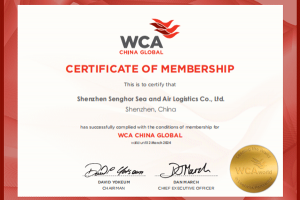
As an official member of that recognized global network, Senghor Logistics (Shenzhen Senghor Sea & Air Logistics Co., Ltd.) says it provides competitive shipping from China solutions that systematically address fulfillment risks through a verified global framework.
The Value of Global Network Certification
The WCA bills itself as the largest network of independent freight forwarders in the world, with more than ten thousand members spread across over 190 countries. Getting in is not automatic; the vetting process probes corporate creditworthiness, financial stability, and operational track record. For trade entities, the real payoff of using a certified provider is the accountability baked into the network structure. Members operate under the WCA Financial Protection Coverage, a mutual security program designed to safeguard transactions and liabilities between partner firms. Senghor Logistics leverages this structure to connect directly with verified overseas agents in over 80 port cities globally, building a supply chain that reaches more than 100 cities and regions. This replaces temporary, unvetted outsourcing with standing partnerships, meaning destination customs clearance and local delivery are handled by accountable, real-name contractual entities.
Operational Flexibility and Intermodal Capabilities
Complex customs demands and varied regional infrastructure require a forwarder to be operationally versatile, something ordinary freight forwarding operations often lack when shipments are bound for inland points or involve non-standard trade structures. Because Shenzhen Senghor Sea & Air Logistics Co., Ltd. works inside an integrated global network, the company can offer comprehensive intermodal transport options that combine sea, rail, and truck freight to move cargo efficiently to inland destinations like the midwestern United States. This setup supports advanced documentation compliance, allowing agents to pre-clear essential import filings—including Importer Security Filings (ISF), Automated Manifest System (AMS) declarations, and Power of Attorney (POA) verifications—before vessels even depart Chinese ports.
The collaborative network also enables complex cross-trade and third-country shipping arrangements. In these scenarios, buyers source products from multiple factories across China, centralize the goods, and redistribute them to various international destinations under one unified oversight. When unexpected disruptions hit—carrier delays or terminal inspections, for instance—localized network agents can quickly manage delivery changes or coordinate alternative routing. That provides a level of reliability that unaligned agents, facing their own operational bottlenecks, simply cannot match.
Practical Application in Trade Scenarios
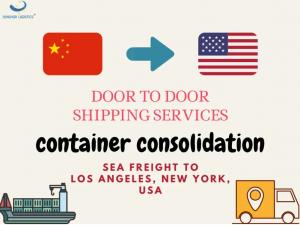
The practical benefits of this structure show up in real trade situations. Take an overseas importer sourcing goods from multiple manufacturers across the Pearl River Delta. Coordinating separate shipments from each supplier piles on administrative burdens, customs declaration fees, and destination handling costs. To streamline this, Senghor Logistics uses localized consolidation warehouses near major Chinese ports like Shenzhen, Guangzhou, Shanghai, and Ningbo. Warehouse staff gather cargo from the various factories into a central facility, inspect the goods, apply labels per international standards, and consolidate everything into a single Full Container Load shipment. At the destination port, designated WCA network agents manage customs entry, handle terminal devanning, and arrange final door-to-door delivery across regional networks.
Milestone tracking provides visibility throughout the process, while the underlying financial protection protocols safeguard the capital value of the cargo managed by Shenzhen Senghor Sea & Air Logistics Co., Ltd.
Comprehensive Transport Frameworks
To accommodate varying trade requirements, the enterprise maintains four core logistical service structures: international sea freight, international air freight, international railway transport, and international express. This diversified approach means that whether a business needs cost-effective Full Container Load ocean shipping, expedited time-critical air freight, or stable trans-Eurasian rail freight, tailored shipping from China solutions are on the table. That flexibility lets companies manage transportation budgets dynamically, choosing paths aligned with specific commodity types and inventory turnover rates. By pairing annual carrier contract rates with verified destination agents, Senghor Logistics offers balanced, predictable transport frameworks that protect cargo integrity from origin pickup to final delivery.
Securing International Supply Chains
Managing an international supply chain is an exercise in balancing transit efficiency, regulatory compliance, and cost predictability. With cross-border trade facing constant logistical variables, a resilient framework is essential for commercial stability. Without strict oversight, decentralized supply chains often devolve into communication breakdowns between origin ports and final destinations. A WCA-certified framework bridges those operational gaps through standardized protocols and verified agency partnerships. The result is that every phase of the transportation process—from initial documentation to destination customs clearance—remains transparent and well-coordinated.
Choosing a logistics provider with global network accreditation helps modern enterprises minimize operational risks, eliminate hidden handling fees, and secure reliable shipping from China pipelines. That frees buyers and exporters to shift focus away from daily shipping troubleshooting and concentrate on expanding their core market reach.
Businesses seeking structured logistics strategies and optimized routing via Shenzhen Senghor Sea & Air Logistics Co., Ltd. can find detailed service options and direct consulting resources by visiting the official repository at https://www.senghorshipping.com/.
Senghor Logistics
Senghor Logistics
Visit us on social media:
LinkedIn
Instagram
Facebook
YouTube
TikTok
Other
Why it matters: For SMEs navigating the volatility of cross-border trade, the choice of logistics partner is a risk-management decision as much as a cost decision. A forwarder with verified global network backing and financial protection protocols offers a buffer against the operational failures that plague decentralized supply chains. As trade routes and compliance requirements grow more complex, that kind of structural accountability becomes a competitive advantage.