The commercial real estate market is undergoing a profound transformation as office vacancy rates in major American cities climb to levels not seen since the early 1990s savings and loan crisis, forcing property owners to confront an existential question about the future of the traditional workplace.
Vacancy Rates Tell a Stark Story
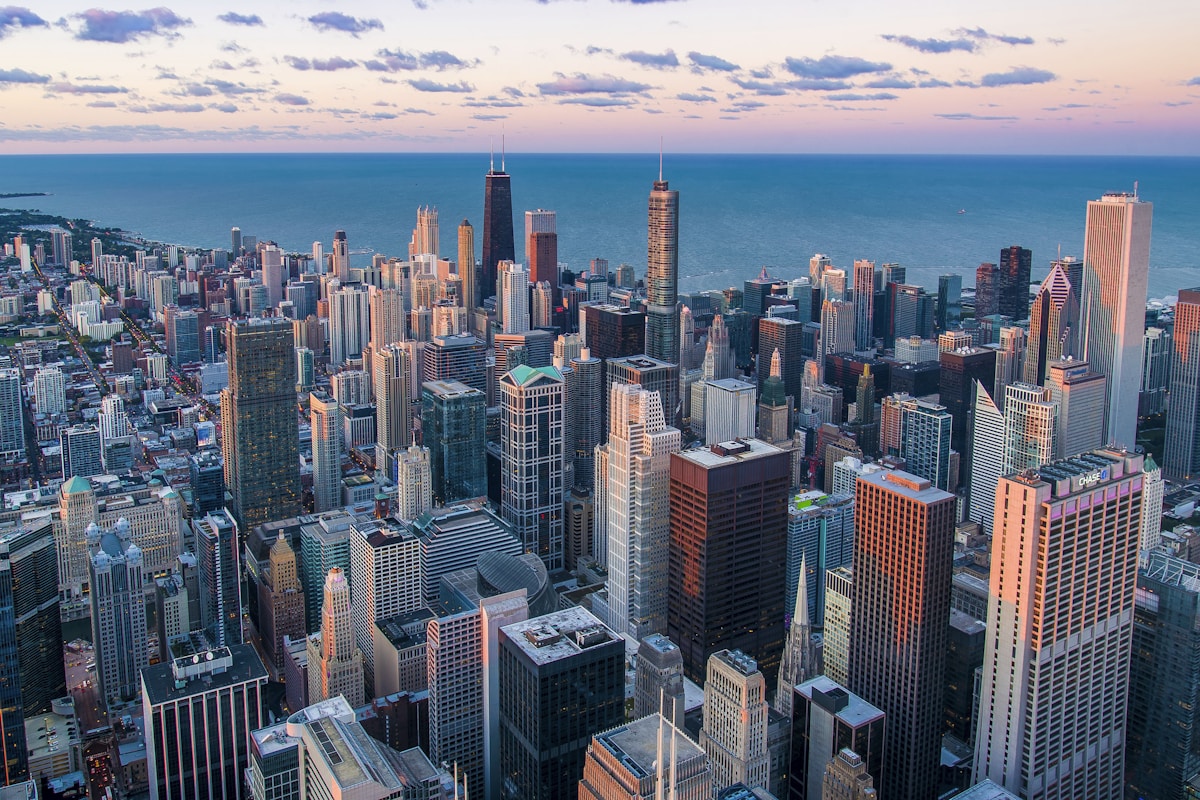
National office vacancy reached 21.3% in the second quarter of 2026, according to CBRE Group, the highest level on record. San Francisco leads the downturn at 34.7% vacancy, followed by Houston at 28.1% and Chicago at 25.9%. Even New York, long considered the most resilient office market, has seen vacancy climb to 18.4%.
The financial consequences are severe. Office property values have declined an average of 32% from their 2019 peaks, and an estimated $1.2 trillion in commercial real estate debt is scheduled to mature by the end of 2027. Many borrowers will be unable to refinance at current valuations, raising the specter of widespread defaults.
The Conversion Wave
Adaptive reuse, the conversion of obsolete office buildings into residential, hospitality, or mixed-use properties, has emerged as the most promising solution. New York City approved 69 office-to-residential conversion projects in 2025 and 2026 combined, adding an estimated 12,400 housing units. Chicago, Washington, D.C., and Los Angeles are pursuing similar initiatives with tax incentives and streamlined permitting.
“Not every office building is a candidate for conversion, but the ones that are represent a once-in-a-generation opportunity to address both the office glut and the housing shortage simultaneously,” said Sarah Kim, managing director of urban development at JLL.
Which Buildings Can Be Converted
Conversion feasibility depends on several factors including floor plate dimensions, structural systems, window placement, and zoning requirements. Buildings constructed before 1980, with their narrower floor plates and operable windows, tend to convert more readily than the deep-floor-plate towers built in the 1980s and 1990s. Industry estimates suggest roughly 25% of vacant office space is physically suitable for residential conversion.
Regional Bright Spots
Not all office markets are struggling equally. Sun Belt cities with strong population growth, including Nashville, Austin, and Raleigh, have maintained vacancy rates below 15%. Suburban office parks have outperformed urban cores in many markets, as hybrid workers prefer offices closer to their homes rather than long commutes to downtown towers.
Life science and medical office space continues to command premium rents and low vacancy, reflecting the structural growth of the healthcare and biotechnology sectors. Industrial and logistics properties remain the strongest-performing segment of commercial real estate, buoyed by e-commerce growth and supply chain reshoring.
For investors and developers, the office downturn represents both a challenge and an opportunity. Those who can successfully navigate the conversion process and identify buildings with repositioning potential stand to generate significant returns from assets that the market has effectively written off.