The difference between a display that draws a crowd and one that gets lost in the shuffle often comes down to the hardware holding the graphic. With trade show season ramping up, MOYU (Zhejiang Shawei Digital Technology Co.,Ltd) has published a detailed operational breakdown of how to match custom roll up banner stand solutions to specific event environments, from busy retail aisles to sprawling expo halls.
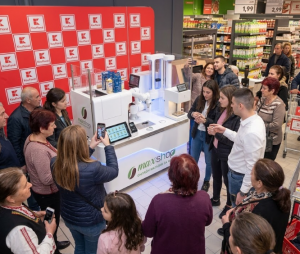
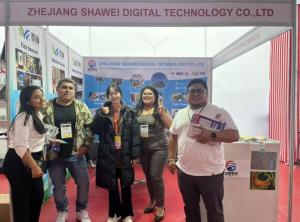
JIAXING, ZHEJIANG, CHINA, October 25, 2026 /EINPresswire.com/ — A bustling outdoor pop-up market, a fast-paced trade show corridor, or a temporary retail activation each present distinct visual communication demands. Setting up an effective promotional booth requires hardware that balances rapid deployment with physical stability. In high-traffic venues, event teams rely on streamlined display props to capture foot traffic without creating operational bottlenecks. Custom roll up banner stand solutions offer a practical framework for organizations that need consistent, professional presentation across diverse venues. MOYU (Zhejiang Shawei Digital Technology Co.,Ltd), manufactures display systems and printable media engineered to meet these exact field requirements, helping brands establish immediate visual authority during crowded commercial events.
Venue Considerations: High-Traffic Passages and Event Layouts
Choosing the right portable display begins with a straightforward assessment of the physical footprint and anticipated pedestrian flow. A standard trade show booth, a corporate recruitment fair, and an outdoor roadshow each call for different structural profiles. In crowded indoor passages or temporary street stalls, floor space is scarce, so a compact base footprint becomes essential—not only to avoid obstructing foot traffic but also to maintain a clear line of sight for attendees passing by.
The base material is a critical factor in both stability and daily handling. Lightweight plastic bases maximize portability, making them ideal for short-term activations, pop-up kiosks, and traveling sales teams. On the other hand, robust aluminum alloy bases provide the structural weight necessary for heavy-use environments, multi-day commercial conventions, and busier venues. Matching the hardware base to the specific event environment prevents tipping and ensures a clean, upright visual appearance throughout the duration of multi-day events.
Mechanical Design: Retractable Systems and Transport Efficiency
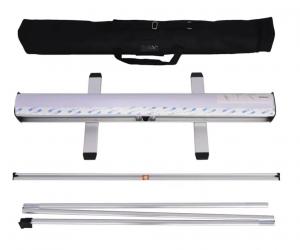
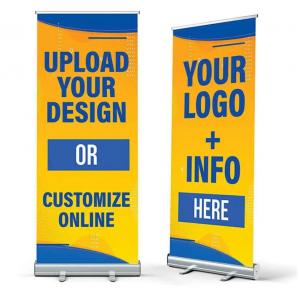
The core appeal of a custom roll up banner stand lies in its tool-free setup and reliable mechanical retractability. Internal spring-loaded roller mechanisms allow printed graphics to roll smoothly into the base cartridge, protecting the artwork during transit and eliminating the hassle of handling separate printed panels.
Assembly relies on a hybrid bungee and telescopic support pole configuration. This system allows setup without technical manuals or specialized tools, enabling single-person installation within minutes. For variable height requirements, telescopic poles allow flexible graphic positioning across different booth clearance levels. Once dismantled, the entire unit retracts into a compact form factor that fits into a standard padded carry bag. This design protects the aluminum housing from scratches, simplifies transport, and reduces logistics footprint across multi-city promotional tours.
Standard display models center on the popular 0.8×2m format. Tall or wide-format versions create prominent backdrop visual impacts for main exhibition spaces. Heavier base options featuring twist-out support feet deliver added ground stability in active display areas.
Graphic Substrates: Media Matching and Surface Protection
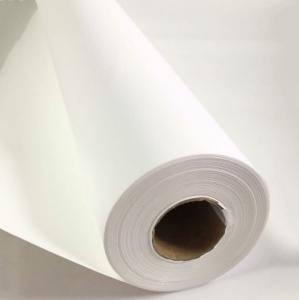
A durable mechanical stand requires equally capable media substrates. Pairing a retractable frame with incompatible media can lead to edge curling, surface scuffing, or poor color reproduction under heavy exhibition lighting. MOYU provides a broad lineup of compatible media engineered specifically for tensioned display systems and professional large-format print setups:
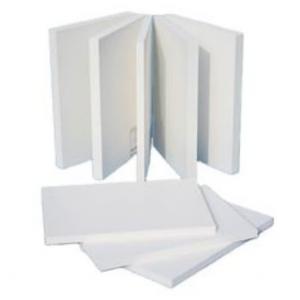
- Polypropylene (PP) film and Polyethylene Terephthalate (PET) film deliver flat, curl-resistant surfaces ideal for crisp text and detailed graphic layouts.
- Self-adhesive vinyl and Polyvinyl Chloride (PVC) flex options offer high tear resistance and strong color saturation for vibrant commercial displays.
- Lightbox films and non-PVC eco-friendly fabrics support eco-conscious applications and specialized backlighting setups.
When printing with eco-solvent, UV, or solvent inks, controlling the winding direction and surface curing is essential. Applying a cold lamination film protects the graphic surface against scratches and environmental wear, ensuring the image remains pristine over repeated roll-ups and deployments.
Customization Parameters: Dimensions, Frameworks, and Sustainability
Beyond standard dimensions, custom graphic sizing allows displays to match specific booth wall heights, overhead clearance limits, or storefront glass dimensions. Depending on marketing goals, different display structures offer distinct functional advantages:
X-banner stands feature a lightweight, minimalist frame structure. They serve as a cost-effective choice for low-impact indoor retail environments or seasonal point-of-sale promotions.
Large-base roll up banner stand solutions utilize heavy-duty aluminum housings. They provide the structural presence and durability needed for premier international expos and high-end brand activations.
Environmental considerations also influence modern procurement choices. Zhejiang Shawei Digital Technology Co.,Ltd produces non-PVC banners, PE substrates, and recyclable display components that lower environmental footprint. For retail chains running recurring campaigns, reusable aluminum cassettes allow simple graphic panel replacements without discarding the base hardware. Planning bulk promotional orders involves confirming base material specifications, graphic changing mechanisms, and multi-unit protective packaging to ensure seamless deployment across retail locations.
Selection Guide: Aligning Display Types with Operational Contexts
Short-term roadshows and community activations benefit from ultra-lightweight display units equipped with basic plastic or lightweight aluminum bases. These systems prioritize fast assembly, minimal transport weight, and hassle-free handling for small field teams moving between locations daily.
Major trade shows and industry expos require high-impact, tall aluminum retractable stands fitted with wide bases and adjustable telescopic poles. These heavy-duty models ensure maximum visibility above busy crowd levels while providing the stability required for multi-day, continuous public exposure.
Retail chains and recurring promotional campaigns achieve maximum efficiency by deploying durable, reusable banner cassettes paired with recyclable PP or non-PVC graphic inserts. This setup allows store managers to swap graphic panels seamlessly for seasonal sales without replacing the primary hardware frame.
By evaluating venue conditions, selecting proper print media, and choosing durable frame hardware, organizations can build a versatile display toolkit that delivers reliable visual communication across any event setting.
To explore full specifications and display options, visit Zhejiang Shawei Digital Technology Co.,Ltd at https://www.shaweidigital.com/
Why it matters: For marketing managers and event coordinators, this guidance translates directly into budget efficiency and on-site performance. Investing in the correct base material and media substrate up front prevents costly replacements and presentation failures, while reusable and eco-friendly options align with growing corporate sustainability targets.
MOYU
MOYU