Businesses today face a major challenge: preventing their best people from leaving. With remote and hybrid work now standard, the connections that once held company cultures together are weakening. Leaders trying to keep high performers engaged have come to a difficult realization—traditional cash bonuses are no longer enough to guarantee lasting loyalty.
That is where the strategic offsite comes in.
Incentive travel has evolved far beyond a simple company perk or junket. It is now a powerful tool for retaining employees and strengthening cultural bonds. To explore this trend, we examined the work of Moniker Partners, a corporate retreat firm recently awarded the prestigious 2026 SITE Crystal Award for Excellence in Incentive Travel: Europe. Led by CEO Sean Hoff, Moniker Partners is redefining what a corporate reward can be.
Here is why the fastest-expanding companies are abandoning standard conference rooms in favor of completely customized, extraordinary experiences.
Access Over Amenities: The New ROI of Incentive Travel
It might be tempting to see a multi-million-dollar corporate trip as an unnecessary luxury. But Hoff argues that when incentive travel is done right, it generates significant, quantifiable business results.
The key is not simply booking a nice hotel. It is about offering experiences that even well-paid executives could not arrange for themselves. The top salespeople who qualify for these trips can usually afford a five-star resort on their own. What truly attracts them is exclusive access.
Imagine a fleet of helicopters taking your team to a volcano for a private champagne toast. Picture enjoying 15 minutes of complete, tourist-free quiet inside the Sistine Chapel.
This kind of exclusivity builds a culture of intense ambition. Hoff points to companies like Salesforce, which reportedly spent about $10 million to fly its top 30 performers on a private trip to Asia for once-in-a-lifetime experiences. That price tag may seem extreme, but the competitive drive it sparks across the rest of the sales force more than pays for itself.
Additionally, these trips achieve something cash bonuses rarely do: they include spouses and partners. By inviting families to share in the reward, companies create deep loyalty at home that competing recruiters find very hard to break.
The Award-Winning “Wow” Factor
What does an award-winning retention strategy actually look like in practice? For Moniker Partners, it means keeping the entire creative process internal to design highly customized, immersive storytelling.
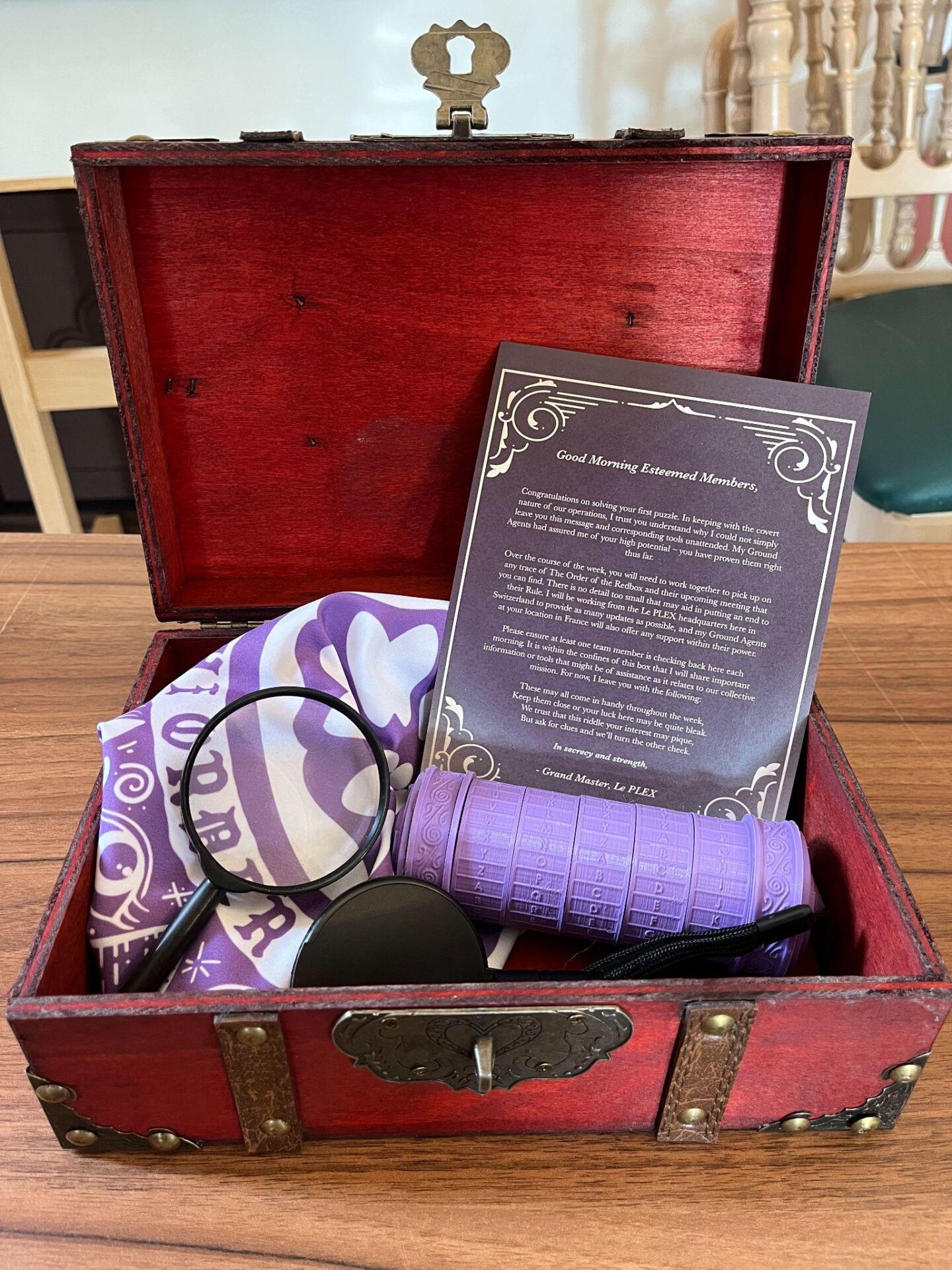
A perfect example is their 2025 award-winning program, which earned the SITE Crystal Award in October 2024. Moniker Partners took 130 globally distributed employees of an American company to a 9th-century French abbey, restored by the House of Dior, for a custom DaVinci Code adventure.
Employees accessed a fake registration site filled with Easter eggs, which eventually led to a French voicemail they had to translate just to unlock the next clue.
“It felt half Hogwarts, half secret society headquarters,” Hoff notes. “Exactly the kind of venue that makes you feel like something extraordinary is about to happen.”
Making this happen required 3D printing, custom black-light ink, and coordinating multiple vendors while following strict historical preservation rules. When a sudden flood left key event spaces underwater, the team proved their operational flexibility by redesigning the program on the spot without breaking the illusion.
Ditching the Beach: Where Top Performers Want to Go in 2026
If your idea of an incentive trip is an all-inclusive Caribbean resort, you are already falling behind. While traditional favorites like Hawaii and the Mediterranean remain options, today’s top performers want genuine adventure.
Current trends show corporate groups heading toward highly exotic, off-the-beaten-path destinations, including:
- The Extremes: Lava fields in Iceland and the heights of Machu Picchu in Peru.
- The Expedition Cruise: A surge of interest in luxury voyages up the Nile, down the Amazon, or through the Arctic.
- The High-End Yacht: Corporate resistance to traditional cruises has disappeared thanks to elite new yachting lines from brands like Ritz-Carlton, Four Seasons, and Orient Express.
Looking ahead, Hoff predicts the corporate world’s competitive “one-upmanship” will push destinations even further off the map. Forget the sun lounger at a Naples resort; today’s executives want a cattle drive across the Mongolian steppe or an immersive, authentic exploration of Georgia.
Six Months of Spreadsheets
Ultimately, pulling off an event that actually improves employee retention requires an obsessive focus on detail. As Hoff puts it, the magic formula is “six months of spreadsheets for six days on the ground.”
The “wow factor” does not come from a single huge budget item. It comes from reviewing every single touchpoint. It is the difference between receiving a plain cardboard box and a beautifully branded swag package with a handwritten note.
As we move through the rest of 2026, the ability to connect teams in meaningful ways will separate good companies from great ones. Moniker Partners has shown that incentive travel is no longer a perk to cut during budget season; it is a critical retention strategy. For organizations willing to invest in truly unforgettable experiences, excellence in travel is proving to be a direct route to excellence in business.
To learn more, visit: https://www.monikerpartners.com/