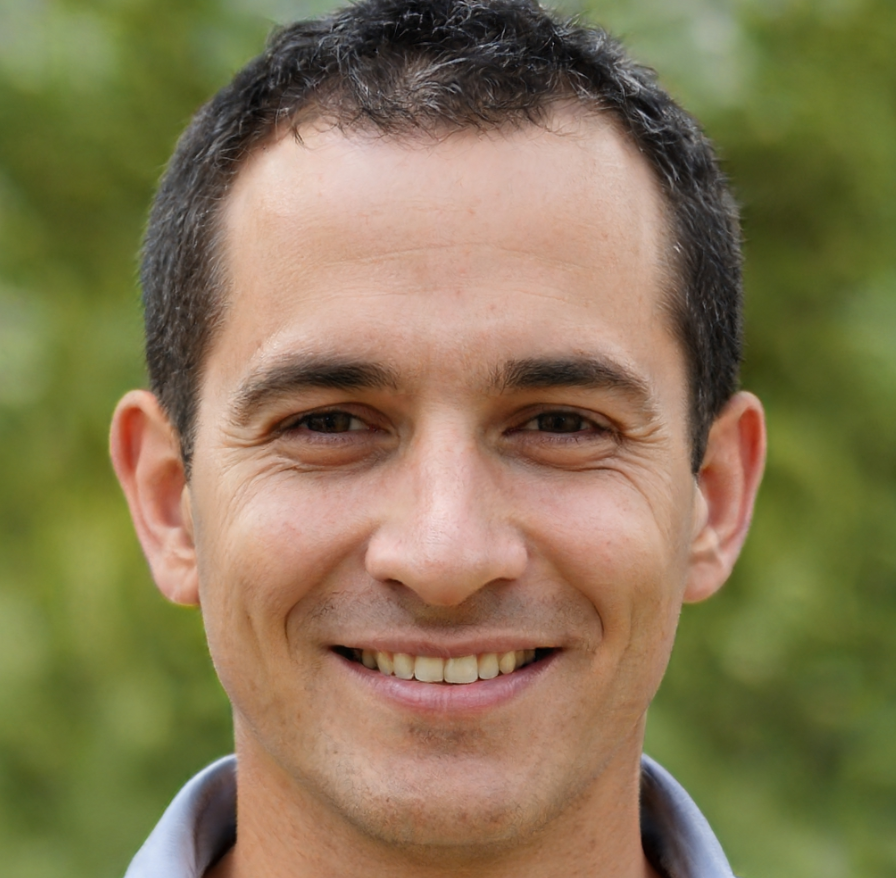
Dr. William Deihl, the founder of Doc Hypnosis Wellness Center based in Phoenix, manages roughly 45 appointments each week during a typical active period while overseeing an expanding group of wellness practitioners.

Phoenix hypnotist Dr. William Deihl transforms knowledge gained from 45 weekly sessions into keynote talks covering stress, leadership, behavior, and performance.
The fascinating question is not whether people know what to do. It is why knowing something does not always translate into doing it.”— William Deihl PhD.PHOENIX, AZ, UNITED STATES, August 27, 2026 /EINPresswire.com/ — Dr. William Deihl is growing the Doc Hypnosis Wellness Center and simultaneously sharing lessons learned from thousands of client encounters with business executives, conference attendees, and corporate groups
What valuable lessons about stress, communication, performance, and human nature can corporate leaders draw from approximately 45 hypnosis sessions held each week?
For Dr. William Deihl—a third-generation hypnotist, keynote speaker, author, radio host, and founder of the Doc Hypnosis Wellness Center in Phoenix, Arizona—the reply starts with a recurring statement he has heard in many variations:
“I know what I should do. Why do I keep doing something else?”
It might come from a business leader trapped in overthinking, a salesperson who understands closing techniques but freezes under pressure, an entrepreneur stuck in perfectionism, a manager who finds it hard to delegate, or an athlete whose skills shift during competition.
Deihl states he personally sees around 45 individual clients in a typical active week, providing him with an unusually high number of direct interactions with individuals actively working to alter habits, reactions, and performance patterns.
No globally recognized organization independently ranks hypnotists by weekly client volume, so Deihl does not claim to be the independently verified “world’s busiest hypnotist.”
He contends that the measurable statistic itself offers a more practical narrative.
Forty-five client sessions each week means 45 chances to observe what occurs when conscious intent clashes with automatic human behavior.
When those interactions are multiplied across months and years, regularities begin to surface.
Those emerging patterns are now forming the basis of Deihl’s expanding work as a corporate keynote speaker on human behavior, workplace stress, subconscious patterns, leadership, and performance.
“People often assume the problem is that they don’t know what to do,” Deihl said. “But I spend much of my week with intelligent people who already know what they should do. The more interesting question is why knowing something doesn’t always translate into doing it.”
Deihl labels that disconnect the Knowing-Doing Gap.
From One Hypnotist to a Multi-Practitioner Phoenix Wellness Center
What started as Deihl’s solo hypnosis practice has evolved into the Doc Hypnosis Wellness Center, a multi-practitioner Phoenix wellness facility dedicated to personalized approaches in hypnosis, behavior change, stress management, performance, and personal growth.
Deihl is still among the center’s most active practitioners, but he no longer works alone.
The team includes Dr. Jennifer Couldry, who founded Soul Echo Therapy and is a Certified Hypnotherapist and Advanced Sound Therapist. Her work integrates hypnosis, Advanced Sound Therapy, guided breathwork, and IEMT.
Couldry offers a notable background combining advanced vocal performance, leadership, technology, project management, hypnosis, sound, breath, and performance.
In addition to Deihl and Couldry, the center employs five other hypnotists who were individually selected and reviewed by Deihl.
“Someone working with Doc Hypnosis represents more than a name on a website,” Deihl said. “I want to understand how they work, how they communicate, how they treat people and whether I would trust them with someone I personally cared about.”
Instead of making each practitioner identical, the center enables professionals with varied strengths and focus areas to operate under a shared standard of professionalism and customized service.
“Growth shouldn’t mean turning people into numbers,” Deihl said. “The reason people come to us is because they want to be treated like individuals.”
An Award-Winning Hypnosis Practice With Growing National Visibility
The expansion follows several years of professional accolades for Deihl and Doc Hypnosis.
The practice has earned five consecutive Best of Phoenix hypnotherapy awards from 2022 through 2026.
Deihl has also received Best in Arizona Doctors recognition, been listed in Marquis Who’s Who, and was chosen as Top 100 Registry’s 2026 Man of the Year for outstanding achievement in hypnosis.
Doc Hypnosis holds an A+ rating with the Better Business Bureau.
The blend of local recognition, statewide visibility, national honors, and high client volume has pushed Deihl’s work beyond the conventional hypnotist’s office.
His next growth area is increasingly focused on the corporate stage.
Not because he aims to deliver yet another motivational speech.
Rather, because he believes the patterns he has observed through thousands of hours of client work are directly applicable to business.
The Knowing-Doing Gap: Why Smart People Don’t Always Do What They Know
Organizations spend heavily on information.
Leadership training teaches managers how to lead.
Sales training teaches teams what to say.
Productivity programs tell professionals how to manage their time.
Wellness initiatives encourage people to control stress.
Books, podcasts, coaches, and artificial intelligence now provide virtually unlimited advice.
Yet people still struggle with behaviors they already understand.
A leader knows delegation is important but continues micromanaging.
A salesperson knows the closing question but avoids asking it.
A professional understands boundaries but continually says yes.
An entrepreneur knows perfectionism is delaying progress but keeps revising.
A manager knows a difficult conversation needs to happen but postpones it.
“The modern problem isn’t always lack of information,” Deihl said. “Sometimes we have more information than we know what to do with.”
That is the Knowing-Doing Gap: the distance between consciously understanding what should happen and consistently being able to respond that way when it matters.
That difference often becomes most visible under stress.
Workplace Stress Changes More Than How People Feel
Workplace stress has become a major concern for organizations worldwide.
Gallup’s State of the Global Workplace: 2026 found that 40% of employees globally experienced significant stress during much of the previous day. Among employees in the United States and Canada, that number reached 50%. Managers globally reported significant daily stress at a rate of 45%.
Those numbers matter because workplace stress can influence far more than mood.
Pressure can affect:
Decision-making
Focus
Sleep
Communication
Confidence
Patience
Creativity
Leadership
Sales performance
Productivity
Conflict
Emotional reactions
Deihl believes organizations sometimes approach performance problems primarily through conscious instruction.
“If somebody is overwhelmed, we tell them to manage stress better,” he said. “If they’re procrastinating, we give them another productivity system. If they’re micromanaging, we tell them to delegate.”
“But what happens when the person already knows that?”
That is where Deihl believes his experience in hypnosis gives him a different perspective from a conventional motivational speaker.
What CEOs Can Learn From a Hypnotist’s Office
Hypnosis is often associated with entertainment, swinging watches or the idea of someone controlling another person’s mind.
Deihl views it differently.
“The question I find much more interesting isn’t, ‘Can someone control your mind?’” Deihl said. “It’s, ‘How much of your everyday behavior is already operating automatically?’”
Humans develop habits, expectations, emotional associations, communication patterns and responses to pressure. Over time, many of those responses become automatic.
Sometimes that is useful.
An experienced driver does not consciously think through every movement required to operate a car.
An athlete does not consciously calculate every movement before performing a familiar skill.
But automatic patterns can become obstacles when they no longer produce the desired result.
The workplace provides countless examples.
Perfectionism can become difficulty delegating.
Fear of rejection can affect sales performance.
Fear of failure can become procrastination.
Past conflict can influence current communication.
Overthinking can delay decisions.
Success itself can create pressure to remain successful.
“A person’s job title doesn’t erase human behavior,” Deihl said. “The CEO still has a nervous system. The salesperson still experiences rejection. The entrepreneur still has fears. The athlete still experiences pressure.”
From 45 Client Appointments to the Keynote Stage
Deihl is increasingly translating those observations into corporate keynote presentations, leadership events, executive retreats, professional conferences and workshops.
His speaking background extends beyond hypnosis.
Deihl has more than 35 years of business experience, with a career that has included leadership, sales, education, communication, wellness and human performance.
He has presented to audiences ranging from professional groups to events attended by thousands and has experience speaking for corporate organizations, healthcare education programs, associations and Fortune 500 companies.
His goal is not simply to motivate an audience.
It is to help people recognize something about their own behavior they cannot easily forget.
“Motivation can be wonderful,” Deihl said. “But motivation changes throughout the day. What interests me is what happens after the motivational high wears off.”
Signature Keynote: The Knowing-Doing Gap
Why Smart, Successful People Keep Doing Things They Know Aren’t Working