If your restaurant’s walk-in cooler has been acting up, you are not alone — and the problem is far more common than a broken air conditioner. New data from a Texas-based commercial HVAC and refrigeration contractor reveals a surprising summer trend that has serious implications for food businesses heading into the holidays.
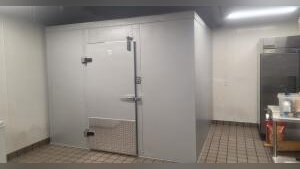
Walk-in cooler and freezer calls outnumbered air conditioning no-cool calls more than two to one as food businesses head into the holiday season.
Peak Mechanical, a commercial HVAC and refrigeration contractor, reported that walk-in coolers and freezers accounted for about one in four service calls the company received this summer. Of 348 calls logged on the company’s phone lines from July 2 to September 14, 2026, not counting spam, 87 concerned walk-in cooler or freezer problems, more than twice the 40 calls about air conditioning systems that were not cooling.
Also worth a look: Atlanta home-buying firm offers survival tips as metro sales plunge nearly 27% and Austrian falconer hails Saudi festival as world’s must-see falconry gathering.
The refrigeration calls came from restaurants, coffee bars, ice cream shops, grocery and convenience stores, schools, and medical offices that store temperature-sensitive vaccines. The FDA Food Code calls for cold-held foods to stay at 41 degrees Fahrenheit or below, so for those businesses, a walk-in that stops holding temperature can put a day’s inventory at risk and, in some cases, keep a kitchen from opening until the unit is repaired.
The figures come as restaurants and food businesses head into the holiday season. Cylie Bowery, co-owner of Peak Mechanical, said that is when walk-in units tend to run fuller, doors open more often and kitchens stay open longer.
“When a walk-in goes down, the owner is standing there watching the thermometer and adding up what is on the shelves,” Bowery said. “A lot of those failures give warning signs first. A torn door gasket, ice building up on the evaporator, or a condenser coil caked with grease and dust can show up days or weeks before the unit quits.”
Bowery said the warning signs the company’s technicians find most often on walk-in cooler repair calls are frost or ice on the evaporator coil, a door that no longer seals or closes on its own, a compressor that seems to run without stopping, temperatures creeping up on daily logs, and water pooling on the floor. She recommends that kitchens clean condenser coils and check door gaskets on a regular schedule, particularly in the weeks before their busiest season.
“The busiest weeks of the year for a restaurant are usually the hardest weeks on its equipment,” Bowery said. “A compressor or a fan motor that has been working too hard since summer is the one most likely to give out in the middle of a holiday dinner rush.”
Peak Mechanical is a commercial HVAC and refrigeration contractor based in Grapevine, Texas, serving restaurants, retailers, offices and other businesses across the Dallas-Fort Worth Metroplex. The company installs, repairs and maintains rooftop units and other commercial HVAC systems, walk-in coolers and freezers, ice machines and other commercial refrigeration equipment, provides HVAC and refrigeration for new commercial construction, offers 24/7 emergency service, and holds Texas Class A air conditioning and refrigeration contractor license TACLA00138338C.
Cylie Bowery
Peak Mechanical
+1 817-381-5061
Why it matters: For any small business that relies on cold storage, this data is a clear reminder that refrigeration units fail more often than many owners expect — and often at the worst possible time. Catching small problems like a torn gasket or dirty coil before the holiday rush could mean the difference between a profitable season and a costly emergency repair.