For Kansas business owners and their employees, the total price tag on a health plan can be misleading. New national data from KFF reveals a striking gap that hits workers at smaller companies hardest: those with family coverage at firms with fewer than 200 employees are paying an average of $2,847 more per year out of their own paychecks compared to their counterparts at larger organizations. Group Health Kansas is flagging this disparity as local employers begin to evaluate their options for the 2027 plan year.
The KFF survey, released on October 22, reports that the average annual worker contribution for family coverage at companies with 10 to 199 employees stands at $9,687. At firms with 200 or more workers, that figure drops to $6,840. The $2,847 gap is derived directly from those averages, focusing solely on the employee’s premium share—not including deductibles, copayments, or other out-of-pocket medical costs.
It is important to note that these findings are national in scope, not specific to Kansas, and should not be taken as a prediction for any single employer’s 2027 renewal. The KFF survey included 1,937 private and non-federal public employers with at least 10 workers. The “smaller firm” category used in the survey does not align perfectly with the Kansas small group insurance market, and the data excludes businesses with fewer than 10 employees entirely.
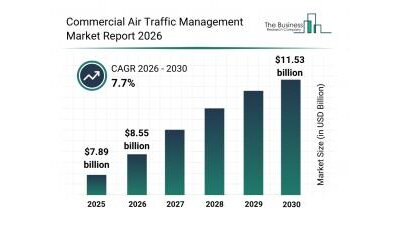
Also worth a look: Air traffic control market poised to surge past $11 billion as aircraft production soars and LXHTR tackles industrial heat loss with custom seals and modular covers for heavy industry.
The numbers also underscore a counterintuitive point: total family premiums, which combine employer and worker contributions, are actually lower at smaller firms. The average annual total premium at small firms is $27,288, compared to $28,592 at larger firms. Yet despite that lower overall cost, employees at smaller businesses are shouldering a larger individual share of the burden.
Group Health Kansas, an independent agency that helps Kansas employers navigate group health insurance, recommends that businesses look beyond the headline premium figure when selecting a renewal plan. A thorough comparison should include the annual premium, the employer’s contribution, and the exact amount employees would pay for each coverage tier.
The agency further advises employers to separately evaluate deductibles, provider networks, and prescription drug coverage. These elements address different financial questions: how much is deducted from each paycheck, what an employee might owe at the time of care, and whether the plan includes the doctors and medications the employee actually uses.
The KFF survey averages are best used as a conversation starter, not as a price target or a guarantee of savings. Employers weighing their specific options will need to obtain actual quotes for their group and review the precise terms of the plans under consideration.
About Group Health Kansas
Group Health Kansas assists employers across the state in comparing group health insurance options, managing enrollment, and addressing ongoing coverage questions. Businesses can reach the agency directly through its website.
Group Health Kansas
Group Health Kansas
+1 913-336-5041
info@grouphealthkansas.com
Visit us on social media:
Facebook
Why it matters: For small businesses, this data highlights that the true cost of health coverage isn’t always apparent from the premium alone. Workers at smaller firms are absorbing a disproportionate share of costs, which can directly affect recruitment, retention, and employee financial wellness. Understanding these dynamics is essential for Kansas employers crafting competitive and sustainable benefits packages.