When a company that has drilled the deep waters of the Gulf for half a century teams up with a five-state environmental partnership, the result is not just a check — it’s a test of whether industry and conservation can truly rebuild what’s been lost. The Gulf of America Alliance, with funding from Shell, has announced a new program aimed squarely at improving biodiversity across the region, and the first project is already underway in coastal Alabama.
The initiative, administered by the Alliance and bankrolled by Shell, will support efforts that align with the Alliance’s priority actions — specifically those that deliver measurable gains for coastal species and critical habitats through conservation, restoration, and active management.
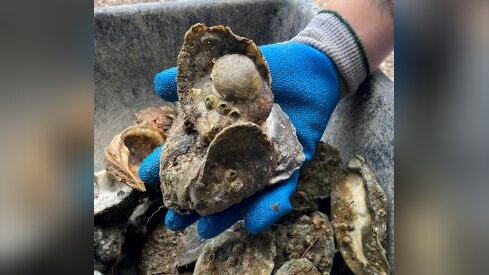
Auburn University has been chosen as the first recipient of program funding, receiving nearly $400,000 to restore oyster habitat in Little Dauphin Bay, located in south Mobile County, Alabama. The work will focus on building self-sustaining oyster spawning sanctuaries, stabilizing the shoreline to prevent marsh erosion, and deploying innovative techniques to improve current restoration methods.
Also worth a look: D’Andre Lampkin launches Ontario City Council bid with planning, public safety background and Synchrocare opens medical device franchises in DC, tapping a $9.7 billion healthcare economy.
“This program is a perfect example of how the Alliance works as a regional partner to improve the health and resilience of the Gulf. We know the value of oyster reefs to the Dauphin Island community, and we look forward to further restoring this ecosystem,” said Laura Bowie, Executive Director of the Gulf of America Alliance.
Shell’s involvement is not new to the region — the company has operated in the deep waters of the Gulf of America for nearly 50 years and has a track record of collaborating with local and regional groups to tackle the complex challenges facing oceans and coasts. This partnership with the Gulf of America Alliance is designed to fund practical, science-based projects that strengthen ecosystems and improve habitat resilience for coastal and marine species and the communities that depend on them.
Alabama Department of Conservation and Natural Resources Commissioner Ben C. Stimpson, Jr. voiced strong support for the effort. “I am very appreciative of Shell’s support for this excellent oyster restoration project on Dauphin Island. This project builds on a previous pilot project Governor Ivey funded for Auburn University through state Gulf of Mexico Energy Security Act (GoMESA) revenues,” he said. “Growing up in coastal Alabama and spending my summers on Dauphin Island, I remember Little Dauphin Bay and the creeks and bayous being full of oysters. I hope this project goes a long way to seeing that level of oyster biomass in the area again.”
The project team will construct new oyster reefs at six high-priority restoration sites and track their performance as “biological engines” meant to boost populations of oysters, blue crabs, shrimp, and fish. The entire effort is expected to span three years.
“Our previous restoration efforts in Little Dauphin Bay demonstrated both the potential of using aquaculture techniques to restore oyster populations and the challenges these populations face,” said Andrea Tarnecki, Assistant Extension Professor at Auburn University and Director of the Auburn University Shellfish Laboratory. “This project allows us to build on those findings and explore new approaches to establishing sustainable oyster reefs that support marine life and improve coastal habitat.”
Why it matters: Oyster reefs are more than just a seafood staple — they act as natural breakwaters, water filters, and nurseries for dozens of species. If this project succeeds in restoring self-sustaining populations in Little Dauphin Bay, it could serve as a replicable model for how corporate funding and academic science can collaborate to reverse decades of coastal habitat loss across the Gulf.
—
Initial funding will support a project to improve oyster restoration approaches and increase species diversity in coastal Alabama
We know the value of oyster reefs to the Dauphin Island community, and we look forward to further restoring this ecosystem.”— Laura Bowie, Executive Director, Gulf of America Alliance
OCEAN SPRINGS, MS, UNITED STATES, November 10, 2026 /EINPresswire.com/ — The Gulf of America Alliance is announcing a new program, administered by the Alliance and funded by Shell, that will make a positive impact on biodiversity in the Gulf of America and address Alliance priority actions. Projects funded through this program will make a measurable impact on coastal species and critical habitats through conservation, restoration, and management actions.
Auburn University has been selected to receive the first program award, which totals nearly $400,000, to restore oyster habitat in Little Dauphin Bay in south Mobile County, Ala.
The project focuses on establishing self-sustaining oyster spawning sanctuaries, stabilizing the shoreline to prevent marsh erosion, and improving restoration approaches using innovative techniques.
“This program is a perfect example of how the Alliance works as a regional partner to improve the health and resilience of the Gulf. We know the value of oyster reefs to the Dauphin Island community, and we look forward to further restoring this ecosystem,” said Laura Bowie, Executive Director, Gulf of America Alliance.
Shell has operated in the deep waters of the Gulf of America for nearly 50 years and has a long history of partnering with regional and local groups working on identifying and addressing the complex challenges facing our oceans and coasts. This partnership with the Gulf of America Alliance is aimed at supporting practical, science-based projects designed to strengthen ecosystems and improve habitat resilience for coastal and marine species and communities across the Gulf of America.
“I am very appreciative of Shell’s support for this excellent oyster restoration project on Dauphin Island. This project builds on a previous pilot project Governor Ivey funded for Auburn University through state Gulf of Mexico Energy Security Act (GoMESA) revenues,” said Alabama Department of Conservation and Natural Resources Commissioner Ben C. Stimpson, Jr. “Growing up in coastal Alabama and spending my summers on Dauphin Island, I remember Little Dauphin Bay and the creeks and bayous being full of oysters. I hope this project goes a long way to seeing that level of oyster biomass in the area again.”
The project team will create new oyster reefs at six high-priority restoration sites and monitor their success as “biological engines” to increase oysters, blue crabs, shrimp, and fish species. The project is expected to last three years.
“Our previous restoration efforts in Little Dauphin Bay demonstrated both the potential of using aquaculture techniques to restore oyster populations and the challenges these populations face,” said Andrea Tarnecki, Assistant Extension Professor at Auburn University and Director of the Auburn University Shellfish Laboratory. “This project allows us to build on those findings and explore new approaches to establishing sustainable oyster reefs that support marine life and improve coastal habitat.”
About the Gulf of America Alliance
The Gulf of America Alliance is a regional partnership focused on enhancing the environmental and economic health of the region through increased collaboration. Led by the five Gulf states, our network includes over 165 participating organizations from state and federal agencies, local governments, communities, academia, non-governmental organizations, and industry. Working with these partners, we address priority issues including coastal community resilience; data and monitoring; education; habitat; water resources; wildlife and fisheries; and marine debris. gulfofamericaalliance.org
Facebook, Instagram and LinkedIn @gulfofamericaalliance
David Lee Simmons
Gulf of America Alliance
+1 504-352-2539
Visit us on social media:
LinkedIn
Instagram
Facebook
Other