The rare-disease drug Kalbitor is gaining traction as a new market analysis reveals the forces shaping its future — from a jump in hereditary angioedema diagnoses to a rapidly aging global population. For patients and investors alike, understanding these drivers is key to anticipating where the acute-attack treatment market is headed.
The Business Research Company’s Kalbitor Market Global Market Report 2026 – Market Size, Trends, And Forecast 2026-2035
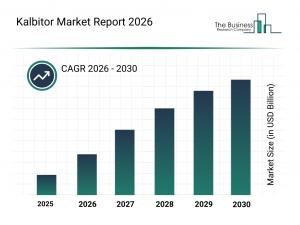
The Kalbitor market is entering a period of notable transformation, shaped by evolving diagnostic capabilities, newer treatment options, and shifting demographic patterns. A close look at the forces steering this market offers valuable perspective on its likely trajectory and the openings it creates within the rare-disease treatment landscape.
Also worth a look: OCTA consolidates 4,000-plus daily paratransit trips onto a single software platform and USHBC chief warns cost-of-living crisis drove 2026 midterm results, demands Congress act now.
Market Growth Overview and Future Projections for the Kalbitor Market
In the historical period, the Kalbitor market recorded steady growth, propelled by limited historical treatment choices for hereditary angioedema (HAE), the high rate of complications from untreated acute episodes, early approvals of biologic therapies, prescribing patterns driven by specialists, and emergency care delivered largely in hospital settings. Looking ahead to the 2026–2030 window, growth is expected to be fueled by expanded genetic screening for HAE, the broadening of targeted biologic therapies, greater awareness of rare angioedema conditions, the proliferation of specialty immunology centers, and improved reimbursement policies for orphan drugs. Among the key trends anticipated in this forecast period are a wider adoption of kallikrein inhibitors, improved management of acute HAE attacks, growth in emergency therapies for rare diseases, an intensified focus on rapid symptom relief, and the strengthening of specialty care for angioedema patients.
Download a free sample of the kalbitor market report:
https://thebusinessresearchcompany.com/sample_request?id=98152548&type=smp&name=Kalbitor%20Market%20Report%202026&utm_source=EINPresswire&utm_medium=Paid&utm_campaign=Nov_PR
Understanding Kalbitor and Its Role in Treating Hereditary Angioedema
Kalbitor (ecallantide) is a recombinant protein that works as a potent inhibitor of plasma kallikrein. This enzyme is central to producing bradykinin, the molecule responsible for inflammation and swelling. Physicians primarily prescribe Kalbitor for acute attacks of hereditary angioedema (HAE), a rare genetic disorder that triggers sudden, severe swelling in various parts of the body. Its capacity to rapidly control these symptoms makes it a critical therapy for improving patient outcomes during acute episodes.
Rising Prevalence of Hereditary Angioedema Boosts Kalbitor Demand
One of the main forces driving the Kalbitor market is the rising prevalence of hereditary angioedema (HAE). HAE is a rare genetic disorder marked by recurrent, severe swelling that affects areas such as the limbs, gastrointestinal tract, and airways. Advances in medical awareness, better diagnostic tools, and increased recognition among healthcare professionals have led to more cases being identified globally. Kalbitor, as a plasma kallikrein inhibitor, plays an essential role in managing these acute attacks, thereby improving patients’ quality of life. For instance, a nationwide epidemiological study in Belgium published in May 2023 by Frontiers in Allergy found a minimum HAE prevalence of 1.56 per 100,000 people, with 179 patients registered at specialized Belgian centers. This data underscores how the rising prevalence of HAE is a significant driver of the Kalbitor market.
View the full kalbitor market report:
https://thebusinessresearchcompany.com/report/kalbitor-global-market-report?utm_source=EINPresswire&utm_medium=Paid&utm_campaign=Nov_PR
The Impact of an Aging Population on Kalbitor Market Expansion
The growing elderly population is another key factor expected to contribute to the expansion of the Kalbitor market. This demographic group, made up of individuals aged 65 and older, is increasing due to longer life expectancy and declining birth rates, fueled by medical advances and improved living conditions. Kalbitor offers targeted treatment options for older patients with hereditary angioedema, helping manage acute swelling attacks while minimizing potential age-related complications. For example, data from the Population Reference Bureau (PRB) in January 2024 indicates that the U.S. population aged 65 and older is projected to grow from 58 million in 2022 to 82 million by 2050—a 47% rise—while their share of the overall population will increase from 17% to 23%. This demographic shift is a crucial factor supporting Kalbitor’s market growth.
Growing Healthcare Spending Supports Kalbitor’s Market Development
Increasing healthcare expenditure worldwide is expected to further stimulate growth in the Kalbitor market. Healthcare spending covers all expenses related to medical goods, preventive care, and public health initiatives aimed at improving outcomes. The rise in healthcare costs is driven by factors such as the aging population, prevalence of chronic conditions, technological advancements, high drug prices, inefficient payment systems, and rising demand for medical services. This financial growth enables better access to specialized treatments like Kalbitor for rare diseases such as hereditary angioedema. For instance, a report from the UK’s Office for National Statistics in May 2024 showed that total healthcare spending increased by 5.6% in nominal terms from 2022 to 2023, up sharply from the 0.9% rise the previous year. Such trends in healthcare investment are critical to ensuring resources are available for innovative therapies and comprehensive care, thereby supporting Kalbitor’s market.
Regional Market Dynamics in the Kalbitor Industry
In terms of geographical market share, North America led the Kalbitor market in 2025, reflecting strong healthcare infrastructure and adoption of advanced therapies. Meanwhile, the Asia-Pacific region is expected to experience the fastest growth during the forecast period, driven by increasing awareness, improving healthcare access, and expanding specialty care centers. Other important regions covered in the market analysis include Western Europe, Eastern Europe, South America, the Middle East, and Africa, each contributing to the global outlook of Kalbitor’s market presence and potential.
New additions to our 2026 reports:
Market attractiveness scoring and analysis
Total addressable market (TAM) analysis
Company scoring matrix graphics and tables
Excel-based forecasting dashboards
Market hotspots infographics
Key technologies and future trend analysis
Updated graphics and tables
Speak With Our Expert:
Saumya Sahay
Americas +1 310-496-7795
Asia +44 7882 955267 & +91 8897263534
Europe +44 7882 955267
Email: marketing@tbrc.info
The Business Research Company – www.thebusinessresearchcompany.com
Follow Us On:
LinkedIn: https://in.linkedin.com/company/the-business-research-company.
Oliver Guirdham
The Business Research Company
+44 7882 955267
info@tbrc.info
Visit us on social media:
LinkedIn
Facebook
X
Why it matters: As HAE diagnoses rise and the global population ages, the market for targeted acute-attack therapies like Kalbitor will only grow more critical. For healthcare systems and investors, the data points to a clear need for continued innovation in rare-disease treatments and the infrastructure to deliver them.