Ocean freight from China remains one of the most volatile links in the global supply chain, and importers who treat it as a commodity rather than a strategy often pay the price. With carrier rates swinging, port congestion lingering, and customs rules tightening, the difference between profit and loss frequently comes down to how well a shipment is planned before the container ever reaches the dock. A new guide from Shenzhen-based Senghor Logistics (Shenzhen Senghor Sea & Air Logistics Co., Ltd.) walks through the core decisions that define a cost-effective and reliable sea freight program, offering a practical framework for procurement teams and logistics managers alike.
SHENZHEN, GUANGDONG, CHINA, October 11, 2026 /EINPresswire.com/ — Global supply chains demand precision, especially when navigating the intricacies of ocean freight from China. International buyers frequently face a complex array of logistics terms, equipment choices, and service levels. Deciding between Less than Container Load (LCL) and Full Container Load (FCL), or choosing between expedited and standard ocean routes, often introduces uncertainty into procurement budgets. To mitigate risks and establish a reliable supply chain, modern importers require practical strategies for selecting transit modes, route structures, and documentation protocols. Managing these variables effectively allows businesses to turn logistics from a routine operational expense into a distinct competitive advantage. Partnering with an experienced freight forwarder like Senghor Logistics (Shenzhen Senghor Sea & Air Logistics Co., Ltd.) enables businesses to leverage top-rated sea freight shipping services that streamline the entire international trade lifecycle.
Step 1: Matching Shipment Volume with the Correct Container Mode
The first major fork in the road for any importer is choosing between LCL and FCL, as this decision sets the baseline for unit economics across the entire shipment. For businesses testing new products or moving small batches, LCL offers a low-barrier entry point; Senghor Logistics accepts LCL bookings starting at a minimum of 1 Cubic Meter (CBM). The company also provides buyer consolidation services for importers sourcing from multiple factories in China, combining loose cargo from various suppliers into a single container at strategically located warehouses. This consolidation strategy reduces per-shipment handling fees, lowers unit costs, and streamlines destination customs procedures.
On the other end of the spectrum, companies with steady, high-volume inventory needs typically fare better with FCL. Standard container sizes—20GP and 40HQ—provide dedicated, secure transport for a single importer’s goods. To lock in space and pricing during peak seasons, Senghor Logistics maintains direct annual service contracts with major ocean carriers, including OOCL, EMC, COSCO, and Matson. These agreements shield importers from unpredictable spot market rate spikes, and the company estimates that they typically reduce annual sea freight shipping expenditures by 3% to 5%.
Step 2: Selecting Routing Products Based on Transit Time and Budget
Not all ocean freight moves at the same speed, and treating every shipment as if it did leads to either overpaying for speed or missing inventory deadlines. Standard ocean services use traditional container ships that call at multiple transshipment ports en route to their final gateway. These routes deliver the lowest cost per container, making them a sensible fit for non-seasonal, predictable inventory replenishment where longer lead times do not hurt sales cycles.
When stock levels demand faster turnaround, expedited ocean services provide a middle ground between pricey air freight and standard ocean transit. For shipments bound for the United States West Coast, Senghor Logistics points to Matson vessels as a fast-boat option that cuts transit times significantly. These expedited services use dedicated destination terminals, which allows for priority berthing, quicker container discharge, and faster customs clearance. To accommodate varying budget and speed requirements, Senghor Logistics structures three routing tiers—slow, medium, and fast—giving importers clear cost-to-transit comparisons for specific cargo needs, whether that means end-of-season retail restocking or routine industrial machinery deliveries.
Step 3: Establishing Door-to-Door Terms and Customs Accountability
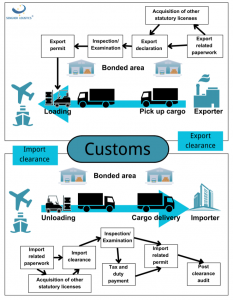
One of the most common sources of friction in international shipping is fragmentation—when different providers handle different legs of the journey, communication gaps and unexpected fees tend to multiply. Door-to-door logistics solutions address this by consolidating every segment of the supply chain under a single point of management. This includes cargo pickup from Chinese manufacturing facilities, domestic export documentation, and compliant export customs clearance at the origin port.
The service extends beyond the ocean voyage to cover essential destination protocols. Experienced logistics partners handle mandatory regulatory filings, including Importer Security Filing (ISF) and Automated Manifest System (AMS) declarations for the U.S. market. Importers can also choose between Delivered Duty Unpaid (DDU) and Delivered Duty Paid (DDP) terms based on their internal tax structures and accounting preferences. With end-to-end oversight through a consistent agency network, Senghor Logistics manages destination customs clearance and final truck or rail delivery to warehouses across the United States. Keeping documentation flowing through one channel prevents disputes between separate providers and helps maintain predictable transit timelines.
Step 4: Verifying Freight Forwarder Qualifications and Infrastructure
Before handing over cargo and cash, importers should conduct due diligence on their logistics partners. Working with licensed entities ensures regulatory compliance and offers financial protection for high-value goods. Senghor Logistics suggests a specific verification checklist for evaluating prospective partners:
- Active membership in recognized global networks, such as the World Cargo Alliance (WCA), which validates financial stability and connects providers with vetted international agents.
- Official Non-Vessel Operating Common Carrier (NVOCC) registration, ensuring legal authority to issue Bills of Lading and manage ocean transport contracts directly.
- Proximity of warehousing infrastructure to major shipping hubs to optimize cargo consolidation and pre-export handling.
- Real-time cargo tracking and status updates to provide visibility into cargo status from origin departure to final destination delivery.
Senghor Logistics itself holds WCA membership and NVOCC registration, and it backs those credentials with a warehousing network that includes a facility of nearly 20,000 square meters near the Yantian port hub in Shenzhen. That infrastructure supports secure cargo storage, detailed labeling, sorting, and efficient container loading. Real-time tracking feedback keeps importers informed at critical milestones, reducing the administrative burden on internal supply chain teams.
Developing a Strategic Approach to Ocean Freight
Getting ocean freight right is not about any single decision; it is about aligning container mode, routing options, delivery terms, and forwarder credentials into one coherent system. When these elements fit together, businesses can insulate their supply chains from market disruptions and keep total landed costs under control. Rather than treating logistics as an afterthought, importers who adopt these structured methodologies can build greater resilience and protect profit margins.
For tailored guidance on specific shipping corridors, businesses can submit detailed cargo dimensions, weight profiles, and final destination parameters via the official website at https://www.senghorshipping.com/ to receive a customized ocean logistics assessment.
Why it matters: With ocean freight rates still prone to sharp swings and capacity constraints lingering on major lanes, importers who treat logistics as a strategic function rather than a cost center stand to gain a measurable edge. The guide’s emphasis on direct carrier contracts, tiered routing, and verified forwarder credentials offers a concrete path to stabilizing supply chains and protecting margins in an unpredictable market.
Senghor Logistics
Senghor Logistics
Visit us on social media:
LinkedIn
Instagram
Facebook
YouTube
TikTok
Other